
Every region claims to be unique. Karamoja does not bother with claims. It simply stands there in its raw honesty and lets you find out for yourself. The wide plains do not pretend to be forests and the mountains do not kneel to please any visitor. The people live with a kind of dignity that does not need decoration. That is the real power of Karamoja’s ecotourism. It is rooted in authenticity rather than performance.
But let us pause a moment and test this idea. Many rural tourism projects across Africa fall into the trap of turning culture into a costume. The dances become rehearsed. The ceremonies lose their soul. The village becomes a stage set for outsiders. Karamoja cannot afford that. If ecotourism is to work here, it must honour both the landscape and the people who have shaped it for centuries. Anything else would be a cheap imitation.
This is where Akopu Foundation steps in, not as entertainers, but as stewards. We see ecotourism as a partnership between culture, environment and community pride. It is not a call to pretend for tourists. It is an invitation for visitors to walk with us, not above us.
Imagine a visitor arriving in the village on a quiet afternoon. Children running after goats. A breeze carrying the smell of fresh milk and red dust. Nothing staged. Nothing hurried.
The beauty lies in offering real village experiences that celebrate life as it is lived daily.
Village Festivals
These are not concerts curated for camera lenses. They are communal gatherings where drumming rises from genuine excitement. A visitor who attends one understands joy the Karimojong way, not the imported version.
Dancing Classes
Here we must be careful. Dance is sacred in many communities. Turning it into a simple class risks reducing it to exercise. But when done with context, elders can teach rhythm, meaning and the history behind each step. The visitor gains knowledge without stripping the dance of its dignity.
Sampani Ceremonies
These traditional rituals carry depth. They must never be watered down for entertainment. Visitors should be welcomed as learners who observe with respect. In doing so, the ceremony becomes a bridge rather than a spectacle.
Village Spa
Now this one may raise brows. A spa in a village sounds like a marketing trick. Yet think again. For generations, local herbs, heated stones and natural clays have been used for healing. Offering this as a wellness experience does not distort culture. It reveals what has always existed.
Village Camping
This brings visitors close to the land without trampling it. The night sky in Karamoja needs no advertising. There are stars here that city people have never met. With responsible hosting, camping becomes both a livelihood and a form of environmental education.
Village Riding Trails
Karamoja has always been a land of movement. Cattle tracks wind through landscapes with stories buried under each hoofprint. Guided riding trails remind visitors that mobility is not a luxury here, but a way of life.
Naming Ceremonies
Another sacred tradition. If communities choose to share it, it must stay authentic. A naming ceremony should not become a souvenir shop. It should remain a moment of identity, spoken with reverence.
Pottery, Crafts and Basket Making
These are the real beating hearts of rural creativity. They require time, patience and skill. Visitors who join in learn that culture is not built by speeches but by hands that shape clay and weave reeds.
Rope Pulling, Jumping Competitions and Ngikales Games
These traditional games carry the laughter and rivalry of childhood. They are wholesome ways of letting visitors taste the spirit of community life. No need to dramatize them. Their charm lies in their simplicity.
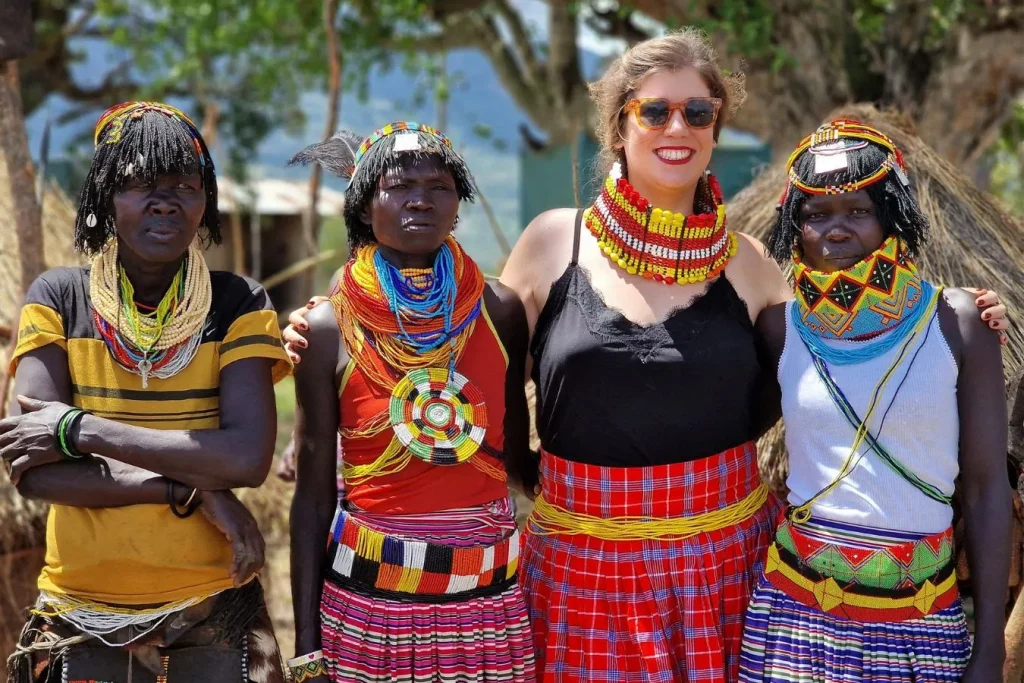
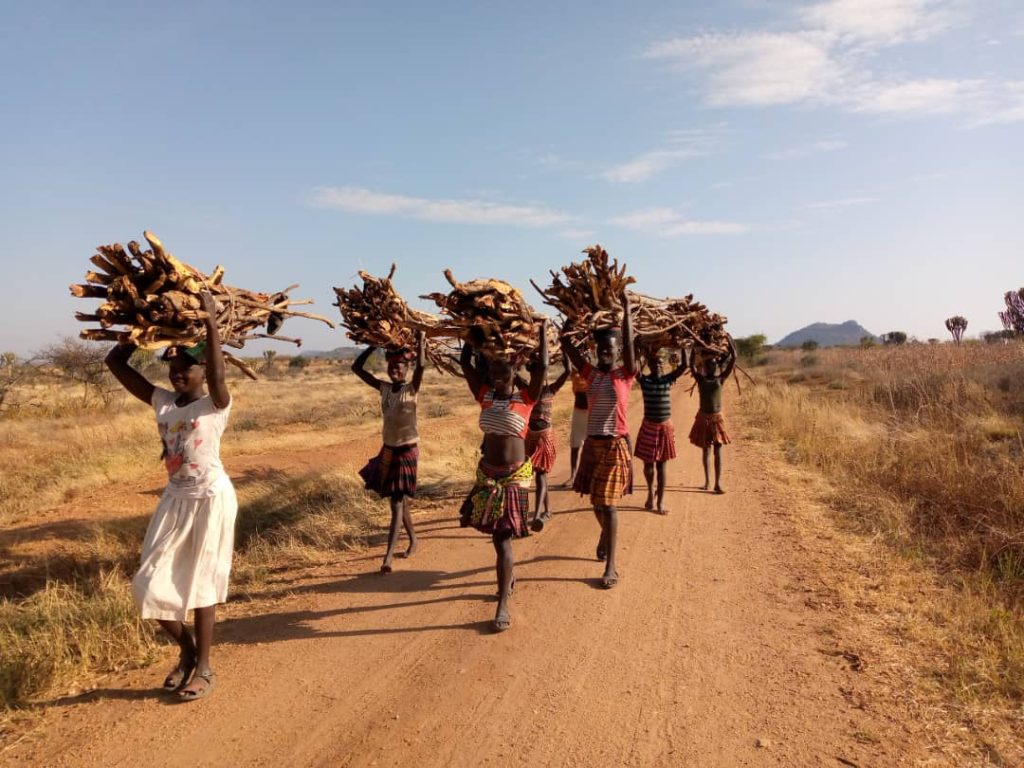
What ties all these activities together is a simple truth. Ecotourism succeeds when it respects people and protects the land. It fails when it tries to turn culture into a museum display.
Karamoja has no interest in being a museum.
Akopu Foundation believes in ecotourism that restores pride, strengthens livelihoods and safeguards ecosystems. Every festival, ride, song and game becomes a reminder that sustainable development does not have to come dressed like a foreign project. It can rise from within the community, steady and proud like the mountains that watch over us.
The world is changing. Climate is shifting. Opportunities are scarce. Yet Karamoja holds a heritage so rich that it can feed both the stomach and the soul if handled with wisdom.
So when visitors come, let them find us as we are. Not edited. Not rehearsed. Just real people living on real land with real stories.
That is the kind of tourism that lasts.